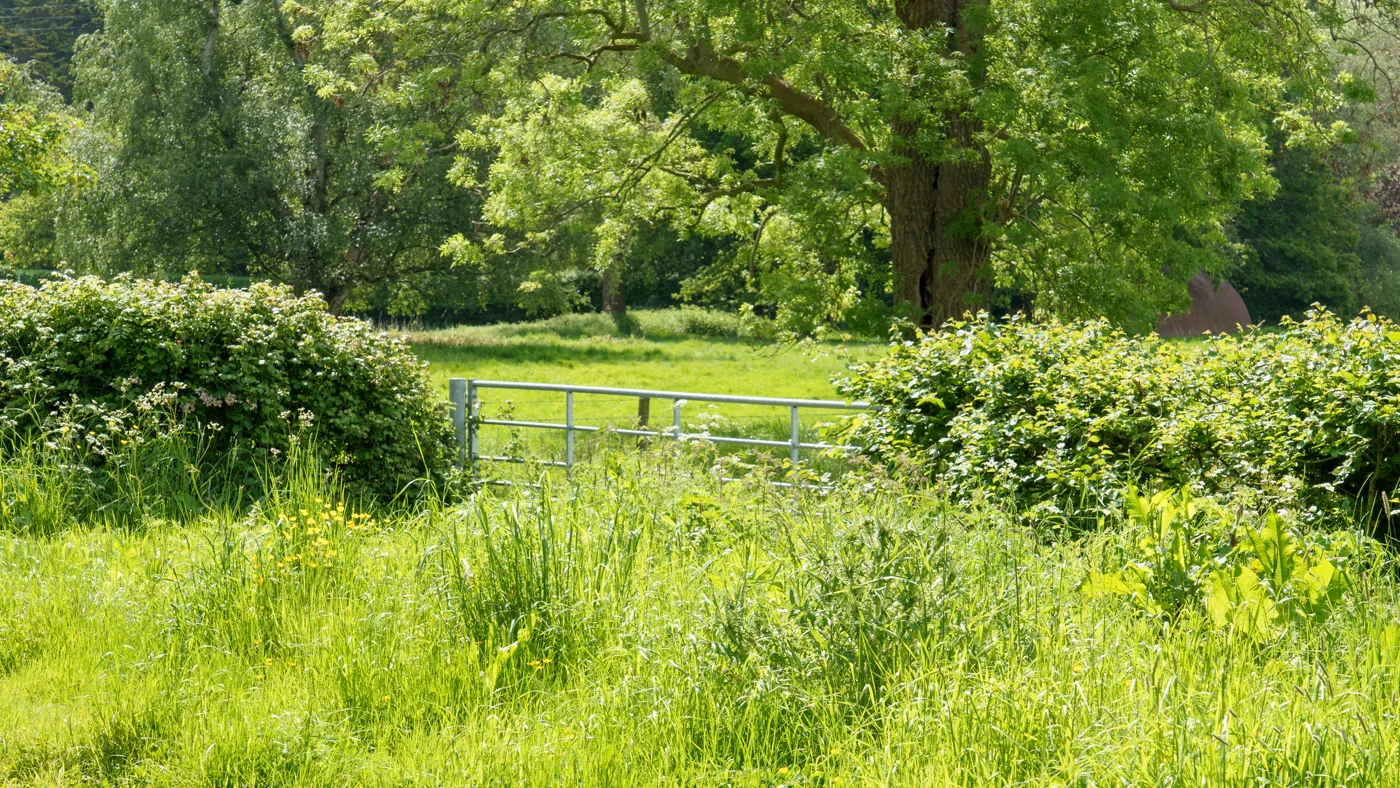

Chester Zoo says the Peak Cluster pipeline's regional impact is unacceptable and risks irreplaceable wetland. Its Cheshire leg runs Picton to Backford Cross.
Chester Zoo has come out against a national infrastructure project that would run a buried carbon dioxide pipeline across Cheshire. In a statement published on 18 August, the zoo said it believes “the regional environmental impacts of the Peak Cluster pipeline, as proposed, are unacceptable”.
It is an unusual position for a charity that supports the move to net zero, and the statement says so plainly: “decarbonising industry should not come at the expense of nature.”
What the zoo says is at risk
The zoo says the route as proposed would affect “some of the most ecologically important land in our care and across the region”. It names three things it says the pipeline would jeopardise:
- its commitment to manage at least 30% of its estate for UK biodiversity by 2030
- Networks for Nature, its regional conservation and habitat recovery programme, which it values at more than £4m
- irreplaceable wetland habitats that, in its words, “support wildlife, store carbon and cannot simply be recreated once lost”
Networks for Nature is not a project inside the zoo. It covers around 60 square miles from the River Dee to the River Mersey, taking in Chester and Ellesmere Port. Over three and a half years it is meant to restore or create 20 ponds, nearly 3,000 metres of hedgerow and more than 100 hectares of habitat. Its main funder is the National Lottery Heritage Fund, at £4,073,372. Cheshire West and Chester Council is one of its named partners.
The zoo says it published an open letter earlier this year and raised its concerns directly with the project team, “with the expectation of seeing the route amended”. Its statement adds: “To date, we have not seen such action taken.”
It also points at a second scheme already being built across the same ground. Its “lived experience of the impacts of the construction of the HyNet CO₂ pipeline project”, it says, leads it to conclude that the two together “would represent a significant level of environmental impact”.
Where the pipeline would run
Peak Cluster is a plan to capture carbon dioxide at four cement and lime works in Derbyshire and Staffordshire and pipe it to the Wirral coast, then out to depleted gas reservoirs under Morecambe Bay. The project’s phase 1 project guide puts around 200km of new buried pipeline onshore and about 90km offshore.
Three of the ten route sections fall inside Cheshire West and Chester:
| Section | Route | Local detail |
|---|---|---|
| 6 | Cranage to Tarporley | Two options at Middlewich, one north of the town and one south |
| 7 | Tarporley to Picton | Ends on the east side of the M53, near Picton |
| 8 | Picton to Willaston | Passes under the M53; two options in the Backford Cross area and two at Willaston |
Section 8 also carries Connection AGIs 2 and 3, above-ground installations sited to the south and west of Ellesmere Port. The project says these exist to let future carbon capture plants join the pipeline later.
At phase 1 the developer drew a project boundary about 300m wide for most of the route. It says the pipe itself needs a working corridor of only 30 to 40m, and that the boundary will be narrowed to roughly 100m before the next consultation. Where the pipeline sits inside that band has not been decided. The project says land above the pipeline will be restored to its original condition once construction is finished.
Who is behind it
Progressive Energy leads the development. The four industrial partners are Holcim’s Cauldon plant, Tarmac’s Tunstead cement plant, Buxton Lime’s works at Tunstead and Breedon’s Hope plant, each of which would build its own capture facility. Peak Cluster Limited, the company funding the onshore pipeline, is a joint venture between those operators, Progressive Energy, Summit Energy Evolution (a Sumitomo Corporation subsidiary) and the UK National Wealth Fund. The offshore storage side, Morecambe Net Zero, is being developed separately by Spirit Energy.
The project’s own claims for itself: capture of up to 95% of the CO₂ emitted at the four plants, more than 3 million tonnes a year, around £5bn of investment, about £1.8bn of value to the economy and more than 13,000 jobs safeguarded or created.
One inconsistency is worth noting. The project’s FAQ page says the scheme will cut those 3 million tonnes a year “from 2030”. Its own indicative project timeline, on page 36 of the phase 1 guide, marks the pipeline as operational in 2032, with construction, commissioning and landscape restoration running from 2029.
What happens next
Peak Cluster is a Nationally Significant Infrastructure Project, so the decision is not Cheshire West and Chester Council’s. Consent has to come from the Secretary of State for Energy Security and Net Zero, through a Development Consent Order examined by the Planning Inspectorate. The scheme is registered as EN0710001 and is at pre-application stage. A scoping opinion for the environmental impact assessment was issued on 19 February 2026.
Phase 1 of the consultation ran from 12 January to 27 February 2026 and has closed. Phase 2 is scheduled for late 2026 and will show the narrowed 100m corridor, more detail on where the above-ground installations go, and how the pipeline would be built. The application is expected in 2027. The developer’s guide says the process from acceptance to decision is expected to take approximately 17 months.
What it means for you
If you live or farm between Tarporley, Picton, Backford Cross, Willaston or the south and west edges of Ellesmere Port, phase 2 is the point at which the route stops being a 300m band and starts being a line. It is also the last consultation the developer runs before it files.
If you have already responded to phase 1, that feedback is meant to inform the phase 2 design. The developer says it will explain in phase 2 if anything has had to move outside the current 300m boundary.
Nobody in this story is arguing against carbon capture. The zoo’s objection is to the route, and the cumulative effect of building this pipeline through the same landscape that HyNet is being built through now. That is a question the examination will have to weigh, and the way to put it on the record is the phase 2 consultation.
Sources
- Statement on the proposed Peak Cluster pipeline and its environmental impacts, Chester Zoo, 18 August 2026
- Networks for Nature, Chester Zoo (60 square miles, £4,073,372 Heritage Fund grant, ponds, hedgerow and habitat targets)
- Peak Cluster phase 1 project guide, January 2026 (route sections 6 to 8, 300m boundary, 30 to 40m corridor, 200km onshore, project timeline on page 36)
- Peak Cluster: your questions answered (partners, funding, 95% capture, 3 million tonnes a year, 13,000 jobs, £5bn investment)
- Peak Cluster CCS Pipeline, project EN0710001, Planning Inspectorate (pre-application stage, scoping opinion 19 February 2026, expected submission)
Our Chester planning news page tracks the applications and decisions that shape the area.
Have your say